Tesla Robotaxi Expansion: Austin Goes Driverless as Fleet Nears 250
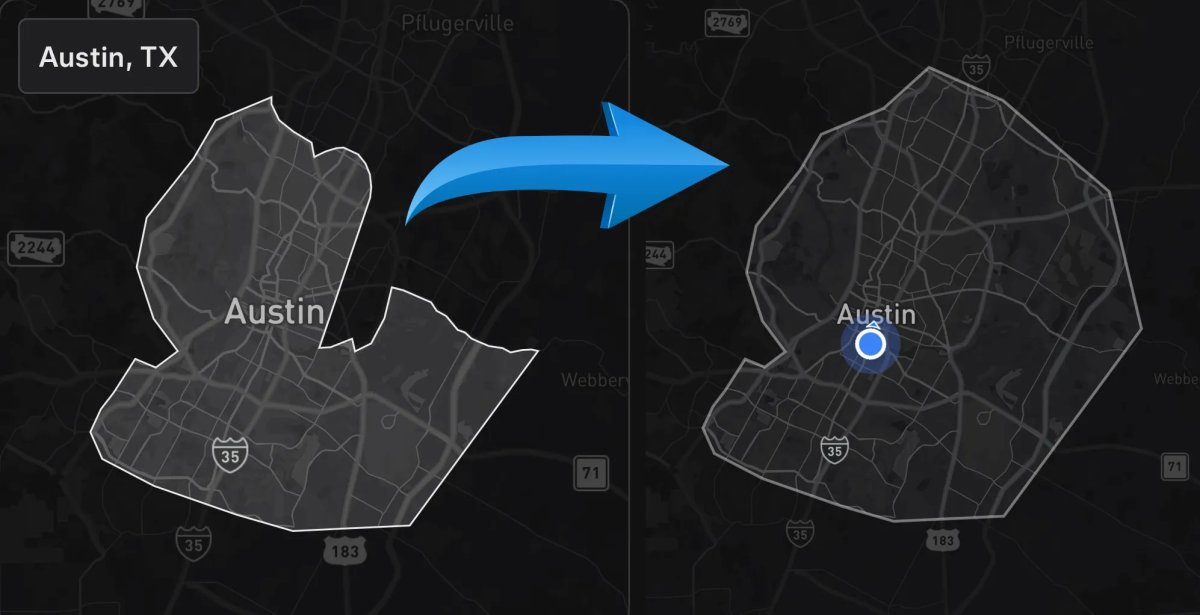
The streets of Austin, Texas, are witnessing a quiet revolution, signaling a significant acceleration in the Tesla robotaxi push. With its fleet rapidly approaching 250 vehicles across key markets, Tesla has achieved a monumental milestone in the Texan capital: fully unsupervised robotaxi rides. This bold move, deploying driverless Model Ys without a human safety monitor onboard and relying solely on cameras, marks a pivotal moment not just for Tesla, but for the entire autonomous vehicle industry.
This strategic pivot underscores Elon Musk's high-stakes gamble on self-driving technology. Tesla, long celebrated for its electric vehicles, is now placing an increasingly significant portion of its future valuation and growth on its ability to master Level 4 and Level 5 autonomy. As the Austin fleet scales rapidly, reflecting a sharp upward bend in its growth curve, the vision of a ubiquitous, AI-powered ride-hailing network draws closer to reality.
Austin's Driverless Dawn: A Camera-Only Leap for Tesla's Robotaxi Push
The most groundbreaking aspect of Tesla's recent expansion lies in Austin, where the company officially launched completely unsupervised robotaxi services. This means that for the first time in a public autonomous ride-hailing service, vehicles are navigating streets, picking up passengers, and completing journeys without any human intervention or backup safety driver, and crucially, relying exclusively on its vision-based system – no LiDAR or radar.
This "camera-only" approach is a bold technical differentiator for Tesla, contrasting sharply with competitors who often employ a suite of sensors. It's a testament to Musk's unwavering belief in the power of neural networks and real-world data to achieve true artificial intelligence, mirroring the human visual system. The immediate impact of this milestone has been palpable: a significant spike in rider interest in Austin, creating pressure to rapidly expand the fleet to keep wait times manageable.
The numbers tell a compelling story of this accelerating Tesla robotaxi push. The overall tracked robotaxi fleet now stands at roughly 240 vehicles across its operational markets. While the Bay Area still houses the majority with around 168 Model Ys, Austin's fleet has surged to 72 vehicles and climbing. The growth in Austin has been particularly aggressive, with reports indicating the addition of 40 new cars in just nine days. This concentrated deployment in Austin highlights Tesla's intent to use the city as its primary proving ground for its most advanced autonomous capabilities.
Scaling the Fleet: A Strategic Dual-Market Approach
While Austin takes the lead with fully driverless operations, Tesla is also steadily expanding its ride-hailing fleet in the Bay Area. However, these vehicles continue to operate with a safety driver behind the wheel for now. This dual-market strategy is intelligent and calculated:
- Austin as the Vanguard: By pushing the boundaries of unsupervised operation in a more contained, potentially less complex regulatory and traffic environment, Tesla can rigorously test and refine its Full Self-Driving (FSD) software under real-world, high-stakes conditions.
- Bay Area for Data and Scale: The Bay Area fleet, with its safety drivers, continues to gather invaluable data, improve FSD's capabilities, and scale operations in a major metropolitan area while ensuring an extra layer of human oversight. This allows Tesla to gradually build confidence and collect diverse driving scenarios before potentially transitioning to fully driverless operations there.
It's worth noting that these Tesla Robotaxi Model Ys are not entirely identical to standard customer vehicles. Tesla's fleet cars feature several exclusive hardware tweaks, such as specialized camera washers and other subtle modifications, designed to enhance the reliability and performance of their autonomous systems in a dedicated ride-hailing environment. This attention to detail underscores the company's commitment to optimizing every aspect of the robotaxi experience.
Elon Musk's Vision: The Trillion-Dollar Gamble and the Future of Mobility
The accelerating Tesla robotaxi push is more than just a new service offering; it's the core of Elon Musk's long-term vision for the company. He famously predicted that Tesla would have millions of robotaxis on the road, generating vast profits and allowing the company to potentially exceed its previous production goals by shifting focus to recurring revenue streams. This model envisions a future where Tesla owners can add their personal vehicles to a shared robotaxi fleet, generating passive income and significantly maximizing vehicle utility. This creates a powerful network effect, potentially boosting both vehicle sales and the company's overall recurring revenue.
This strategic pivot is a high-stakes gamble that could redefine Tesla's future, transforming it into a trillion-dollar autonomous mobility giant. The success or failure of this venture will undoubtedly shape not only the company's trajectory but also Musk's legacy. It's a make-or-break moment for leveraging Tesla's AI and hardware advantages.
Navigating the Hurdles: Technology, Regulation, and Competition
Despite the current momentum, the path to widespread robotaxi adoption is fraught with challenges:
- Technological Hurdles: While Tesla's FSD software continuously improves, achieving true Level 4 or Level 5 autonomy—where a vehicle can operate completely without human intervention in most or all conditions—remains an enormous technical challenge. The reliability and safety of a camera-only system are constantly under scrutiny, demanding flawless performance in unpredictable real-world scenarios.
- Regulatory Challenges: The regulatory landscape for autonomous vehicles is fragmented and evolving, with different rules and approvals required across various states and municipalities. Navigating this patchwork of regulations demands significant legal and lobbying efforts.
- Intense Competition: The autonomous ride-hailing space is fiercely competitive, with well-funded players like Waymo and Cruise (though Cruise has faced recent setbacks) also vying for market share, often utilizing different sensor suites including LiDAR.
- Public Trust: Gaining widespread public trust and acceptance for fully driverless vehicles, especially after high-profile incidents involving autonomous technology, is crucial. Tesla's camera-only approach adds another layer of public perception to manage.
Practical Implications and What's Next for the Tesla Robotaxi Push
The expansion in Austin carries significant implications for various stakeholders:
- For Consumers: The prospect of truly driverless robotaxis promises unprecedented convenience, potentially lower costs (due to reduced operational overhead from human drivers), and 24/7 availability. As the Austin fleet expands, wait times should decrease, making the service a more viable transportation option.
- For Tesla Owners: The long-term vision of generating passive income by adding personal vehicles to the robotaxi network could profoundly change vehicle ownership. It transforms a depreciating asset into a potential income stream, a revolutionary concept if successfully implemented at scale. Owners would likely need to opt-in, meet specific vehicle conditions, and potentially share a portion of the earnings with Tesla.
- For the Mobility Industry: Tesla's driverless expansion puts immense pressure on traditional ride-hailing services and other autonomous vehicle developers. Its unique camera-only approach, if proven highly successful, could shift industry perception and accelerate the adoption of similar vision-centric systems.
- For Investors: The Tesla robotaxi push represents a colossal growth opportunity, but also comes with considerable risk. Investors should closely monitor regulatory approvals, safety data, operational scalability, and profitability metrics as the service expands.
Actionable Insight: For those interested in experiencing the future of mobility, monitoring Tesla's app for robotaxi availability in Austin could provide a glimpse into this evolving landscape. For potential investors, understanding Tesla's unique technological bets and comparing its scaling strategy against competitors is vital.
Conclusion
Tesla's rapid robotaxi expansion, spearheaded by the groundbreaking driverless operations in Austin, marks a definitive shift in the company's strategic direction. With its fleet nearing 250 vehicles and Austin leading the charge into unsupervised, camera-only autonomy, the Tesla robotaxi push is no longer a distant dream but a tangible, rapidly evolving reality. While significant technological, regulatory, and competitive hurdles remain, Tesla's audacious moves in Austin underscore its commitment to reshaping personal transportation and cementing its position as a dominant force in the trillion-dollar autonomous mobility market.